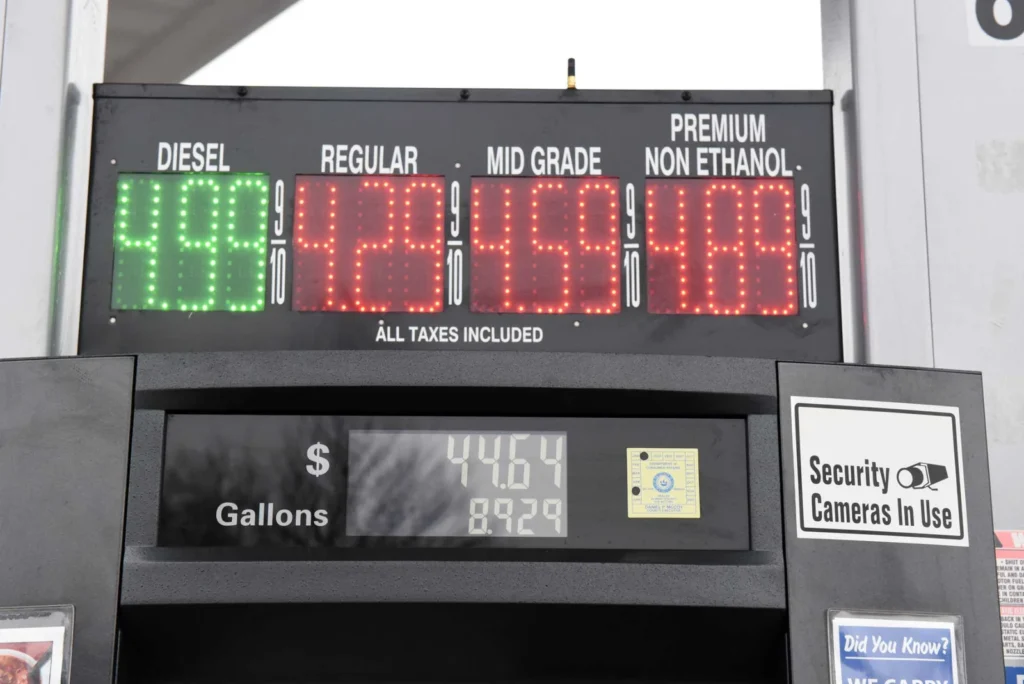
Drivers can see a diesel price at the entrance and still reach a pump unsure which price applies. Before adding another sign, check where that uncertainty begins. This helps you decide whether the lane needs clearer fuel labels, an additional price display or a different sign position.
Choosing a diesel fuel pump price sign starts with three questions: can drivers find the right fuel, match it to the displayed price and understand any payment condition? The answers should guide the display type and layout.
Start with the Gap at the Diesel Lane
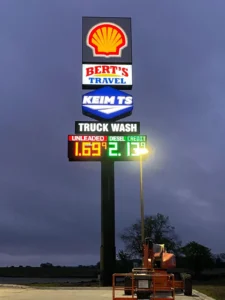
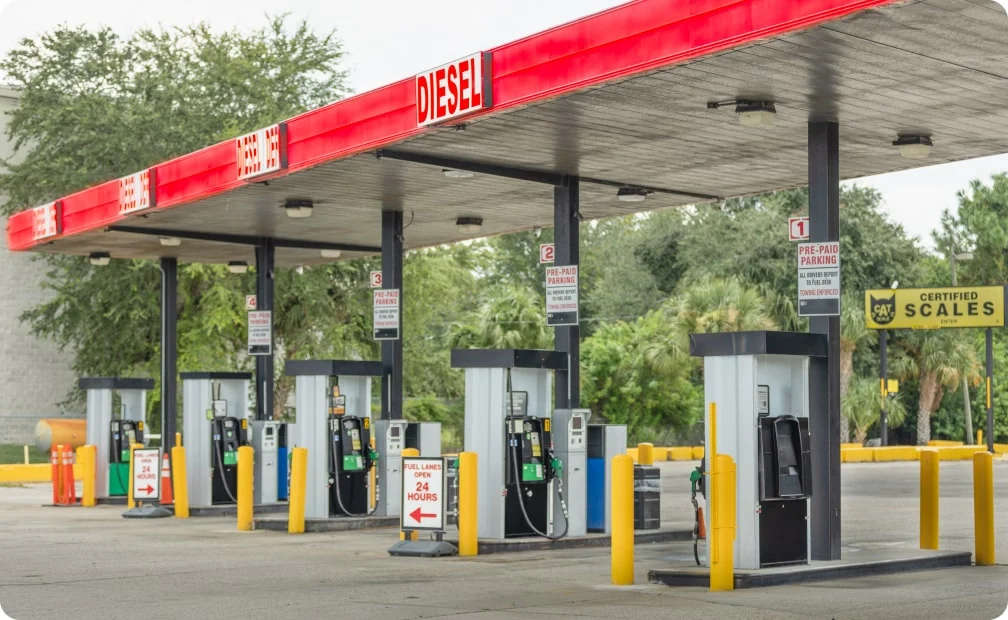
Walk the route from the entrance to the diesel pump. Check what a driver can read before selecting a lane and what remains visible after parking. A roadside price board may be clear at the entrance but hidden once a vehicle moves under the canopy.
An extra display is worth considering when drivers cannot identify the relevant price before committing to a pump. If the price is already clear and the confusion comes from a vague fuel label, correcting that label may solve the problem.
Separate the jobs before choosing hardware:
| Display | Main job | When to consider it |
|---|---|---|
| Roadside price board | Advertise fuel prices before entry | Drivers need price information while approaching the station |
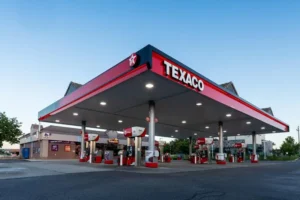
| Pump-top price display | Show relevant prices within the fueling area | The price needs to be visible before reaching the dispenser |
| Dispenser display | Show the unit price and transaction information | Drivers are selecting fuel and checking the sale |
| Static diesel label | Identify the fuel or pump | Product identity needs clarification |
Local requirements also matter. For example, Delaware Code §2902 recognizes a dispenser’s price-computing display as the required pump price sign under its stated conditions. That is a Delaware example, not a rule for every market. Confirm the site’s requirements before treating an additional pump-top sign as mandatory. delcode.delaware.gov
Make Each Price Belong to a Clear Fuel Label
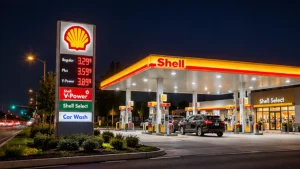
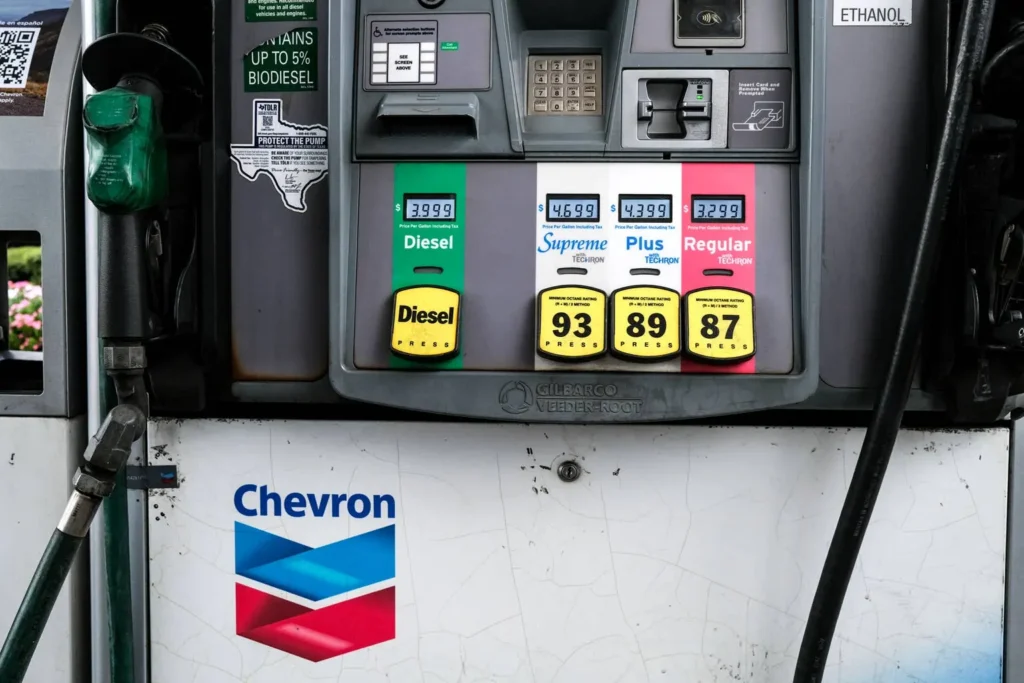
A large number can be easy to read while its meaning remains unclear. Keep the fuel name close enough to its price that drivers can identify the pair without guessing across adjacent rows or pumps.
Where several products are offered, use the specific product name beside the corresponding price. A broad diesel heading above different prices may leave drivers uncertain about which one applies to their selection.
Color can support the layout, but the words must carry the meaning. AAA’s guidance on fuel pumps explains that nozzle colors vary and recommends reading the pump label. Green digits or a green handle alone should not be your identification strategy. exchange.aaa.com
Apply the same principle to payment conditions. Where different prices are permitted and offered, make the qualifying condition clear beside the relevant price. Check the whole message from the driver’s position: fuel, price and condition. Increasing the digits alone will not clarify a label that remains unreadable.
Choose the Position Before the Cabinet
Check the proposed sign from the directions drivers actually use. A display facing the main approach may be difficult to read from a lane entered from the opposite end. Decide whether one face is sufficient or whether the site needs visibility from another direction.
Use two practical viewing checks:
- Approaching the lane: Can the driver identify the diesel offering and its price before choosing a pump?
- Stopped at the dispenser: Is the price still clearly associated with the selected fuel and pump?
Look for parked vehicles, columns, promotional panels and other obstructions. Repeat the check in daylight and after dark. Reflections or excessive brightness can make a seemingly prominent display harder to interpret. Select digit size and brightness behavior around those conditions rather than applying one size to every station.
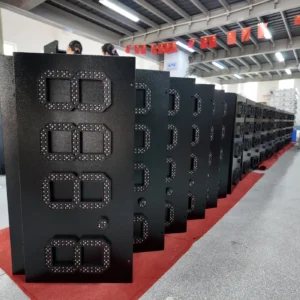
Before selecting LED gas price displays, confirm how the proposed cabinet will fit. A larger cabinet may obstruct existing information or restrict access for servicing the dispenser.
Have the proposed fixing, cable route and maintenance access reviewed. The sign supplier can provide product-specific interface details; the dispenser representative and local installer should confirm suitable attachment points and installation requirements. Physical fit alone does not establish suitability for the location.
Check the Display After Every Price Change
Adding another price display creates another point that must show the correct information. Establish which displays share a control system and which need a separate update.
A handheld controller accepting a new value does not, by itself, confirm that every sign received it. After a change, check the actual diesel price row on each relevant face and compare it with the dispenser price for the same product and payment condition.
For example, if a pump-top display has updated but a roadside display still shows an older price, the station needs to identify the update gap. Adding brighter digits will not resolve it. Review the existing gas price sign control system before assuming a new display can join it.
Choose a layout staff can verify during normal operation, and test the agreed configuration before putting it into service.
FAQs
Does every diesel pump need an extra price sign?
Requirements depend on the jurisdiction and existing display. Assess local rules alongside the practical need for clearer lane pricing. An additional LED pump-top sign is not a universal requirement.
Can several diesel price signs use one controller?
Some systems support multiple displays. Confirm the exact controller, display hardware, addressing and communication setup. Sharing a control method does not automatically make products compatible.
References / Further Reading