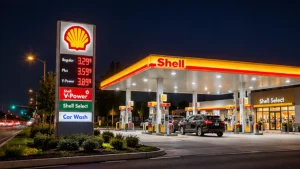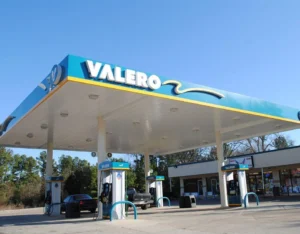
A gas station in the United States may show 87, 89 and 93, while a station in Australia may display 91, 95 and 98. This does not mean one market has “better” gasoline. The numbers can use different octane-rating systems.
For fuel retailers and rebranding teams, this difference matters for another reason: the local fuel lineup determines how the gas price sign should be arranged. The number of grades, their names and their ratings can all change the price section.
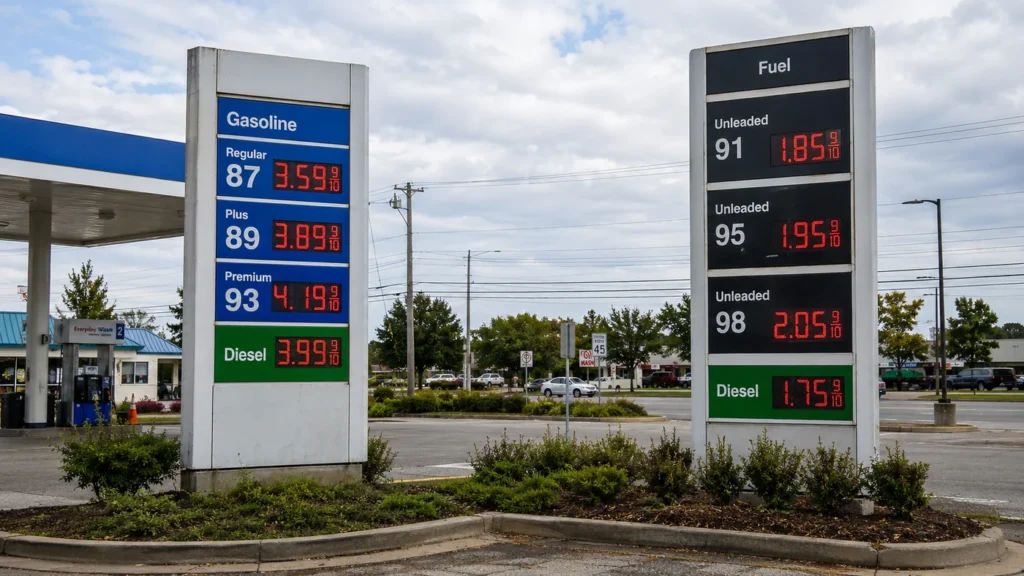
Why Gasoline Grade Numbers Change by Country
Two terms explain much of the difference: AKI and RON.
In the United States and Canada, gasoline is generally displayed using AKI (Anti-Knock Index). Common U.S. examples include:
- Regular: 87
- Midgrade: 89–90
- Premium: 91–94
Many other markets use RON (Research Octane Number) instead. This is why numbers such as 91, 95 and 98 appear more often outside North America.
The important point is that 87 AKI and 87 RON are not the same rating. A buyer should not copy fuel-grade numbers from a station in another country simply because the sign layout looks suitable.
Common Fuel-Grade Patterns in Different Markets
There is no single gasoline-grade combination used worldwide. The actual products available also vary between brands and locations.
| Market | Representative Fuel-Grade Examples |
|---|---|
| United States | 87 / 89–90 / 91–94 AKI |
| Canada | AKI-based grades |
| United Kingdom | 95 RON E10 / 97+ RON E5 |
| Australia | ULP 91 / P95 / P98 / E10 |
These are representative examples, not universal project specifications.
Ethanol labels add another layer. A station may need to identify E5, E10, E15 or another fuel type alongside the octane grade. Local regulations and petroleum-brand standards determine exactly what must appear at the dispenser.
For an international signage project, the safest rule is simple:
Confirm the local fuel lineup first. Design the price section second.
What Fuel Grades Change on a Gas Price Sign
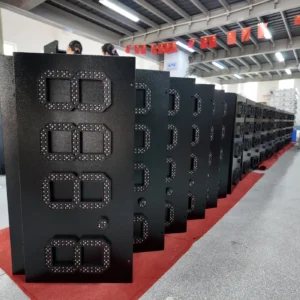
Fuel grades affect more than the numbers shown on the LED modules.
A station selling three grades may need three price rows. Another location may have gasoline, premium grades, diesel and an ethanol blend, requiring a very different arrangement.
The sign normally has two different information layers:
Fixed information identifies the fuel, such as:
REGULAR
PREMIUM
DIESEL
E10
91 / 95 / 98
Changing information shows the current selling price.
That distinction matters when designing the cabinet. Adding another fuel grade may require space for both another price display and another grade label.
This is especially important on a pylon or MID where the available price area is limited. A layout designed around three U.S. grades cannot automatically be reused for a five-grade station in another market.
When an Existing Price Sign No Longer Fits
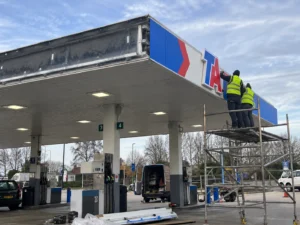
This becomes a practical issue during rebranding or fuel-lineup changes.
Suppose an existing station has three price rows but the new brand specification requires four or five fuels. The question is no longer just whether the LED digits can be replaced.
The project may also need to consider:
- available cabinet openings
- fuel-grade label positions
- spacing between price rows
- the overall height of the price section
- access to the display modules
In some projects, the existing structure may still work. In others, changing the fuel lineup makes a larger price-section modification more practical.
This is the same distinction discussed in our guide to retrofitting LED price changers versus replacing the full sign.
One more point is important: pump labeling and roadside price-sign design are related, but they are not the same compliance question. For example, U.S. rules require automotive fuel ratings to be posted at the dispenser, while roadside advertising and sign requirements can also depend on state or local rules.
For international projects, the confirmed local fuel lineup and approved brand standard should therefore drive the sign layout—not a generic “three-row” template.
FAQ
Is 87 octane in the U.S. the same as 87 RON?
No. U.S. pumps normally use AKI, while many other countries use RON. Because the rating methods are different, the numbers should not be compared directly.
Do all gas stations in the same country use the same fuel grades?
No. National conventions provide a useful starting point, but actual fuel products can vary by petroleum brand, region and station.
Conclusion
Gasoline grades are not displayed the same way worldwide. For a fuel-price-sign project, the key is to match the price rows and grade labels to the actual local fuel lineup, rather than copying a layout from another market.