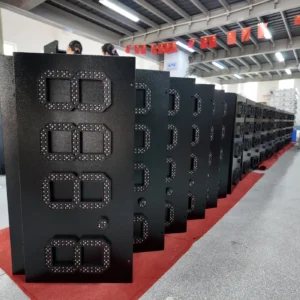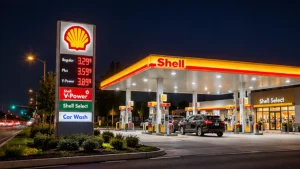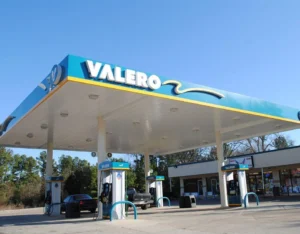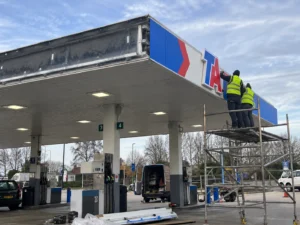
Changing fuel prices from a ladder or opening a roadside sign every time the market moves gets old quickly. But upgrading price change signs does not always mean replacing the complete pylon.
For many existing stations, the better question is simpler: which parts of the current sign are still worth keeping?
A usable cabinet may only need new LED price changers. A sound pylon may accept a completely new price section. When the structure, branding and price layout are all outdated, a larger replacement can make more sense.
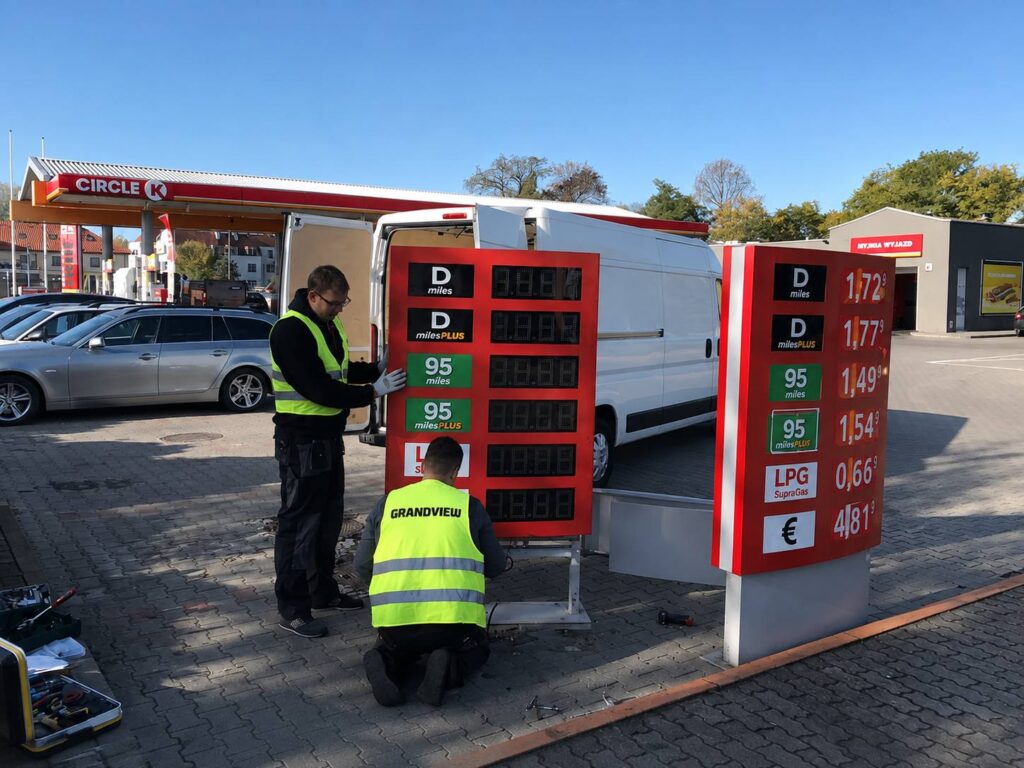
Start With What Can Stay
The existing sign condition should guide the upgrade.
A pylon, price cabinet and LED display are separate parts of the same roadside system. One can become outdated while the others remain usable.
| Existing Situation | Likely Direction | What May Stay | Main Check |
|---|---|---|---|
| Manual price panel, usable cabinet | LED display retrofit | Cabinet and pylon | Fit and access |
| Older electronic digits | Replace display modules | Cabinet may remain | Compatibility |
| Price area no longer suits the layout | New price cabinet | Pylon may remain | Available space |
| Structure and branding both change | Larger replacement | Project-specific | Overall condition |
These are starting points, not universal rules. Existing structure, internal space, power and installation conditions still need project-specific review.
For deeper retrofit decisions, see Grandview’s guide to retrofitting LED price changers versus replacing the full sign.
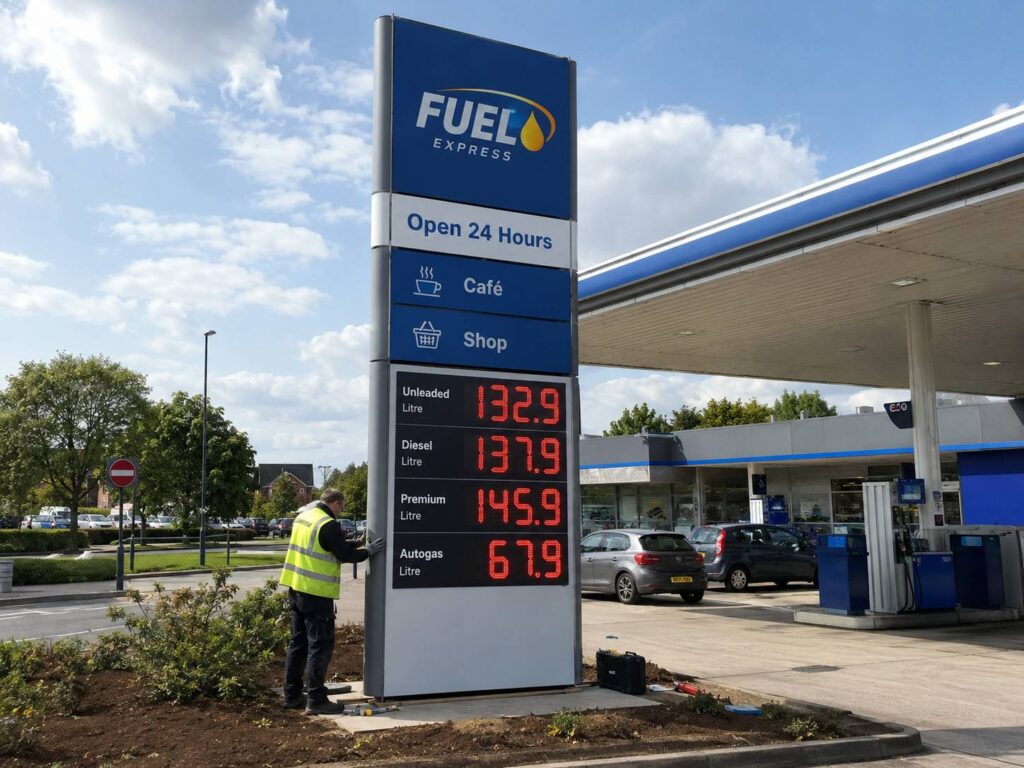
Manual, LED or Retrofit?
Manual panels still perform the basic job: display a fuel price. Their main limitation appears when prices change frequently or the sign is difficult to access.
Electronic price change signs move the update process away from physically changing individual numbers. For an existing station, however, the choice is rarely just “manual or LED.”
The practical options may include:
- replacing only the price display modules;
- installing a new price cabinet into an existing pylon;
- replacing a larger section when the old layout no longer works.
The most economical-looking option is not automatically the best one. A retrofit only makes sense when the retained parts still provide suitable space, access and interfaces for the new display.
Make Every Price Clear From the Road
Large digits alone do not guarantee a clear price message.
Stations may display different prices for cash, credit, loyalty programs or other purchase conditions. If the lower advertised price is prominent but its condition is difficult to notice, drivers can misunderstand what they will actually pay.
That makes layout hierarchy important. Fuel grade, price and any condition attached to that price should work together as one roadside message rather than competing for space.
Local rules also matter. For example, Miami-Dade Consumer Protection requires fuel pricing and applicable conditions of sale to be clearly disclosed to approaching motorists. Requirements differ by jurisdiction, so the final layout should always be checked against rules for the project location. Miami-Dade gasoline price disclosure requirements
Control and Maintenance Affect the Upgrade
The way prices are updated is part of the project specification, but it should not dominate the entire buying decision.
The key question is whether the selected control arrangement can reliably update every required row and display face. More detailed control options belong in a separate gas price sign control system guide.
Maintenance access is equally easy to overlook.
If one display section fails, technicians should be able to reach the relevant display, power or control components without unnecessarily dismantling unrelated parts of the sign. This becomes especially important on multi-row and double-sided price signs.
Factory testing should therefore go beyond checking whether the LEDs illuminate. Each price row and display face should be updated and checked before shipment to confirm that the system responds as intended.
FAQ
Can price change signs be added to an existing gas station pylon?
Often, yes. If the existing pylon and price cabinet remain suitable, an LED retrofit may be possible. The final decision depends on the condition, internal space and interface of the existing sign.
Can price change signs show cash and credit prices?
Yes, price displays can be arranged for different pricing conditions. The important design issue is making both the price and its condition understandable from the road.
Conclusion
The right price change signs upgrade is not automatically the newest or largest system. Start by identifying what still works, replace only what no longer meets the pricing or display requirement, and keep the final roadside message simple and clear.