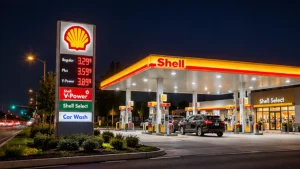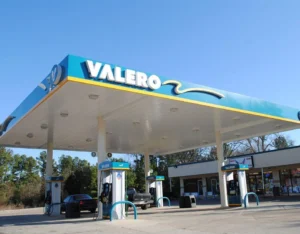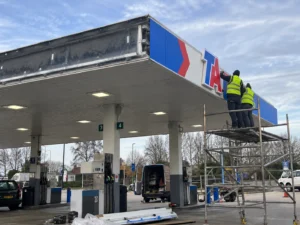
Buyers often treat gas station canopy panels as a simple color upgrade. However, the panels must fit the canopy, follow every corner, hold the brand layout and work with any lit logos or light bands. A panel package for a new build may not fit an active station with an older frame. Therefore, start with two questions: What does the package include, and how will it connect to the real canopy?
Start by Defining the Panels You Need
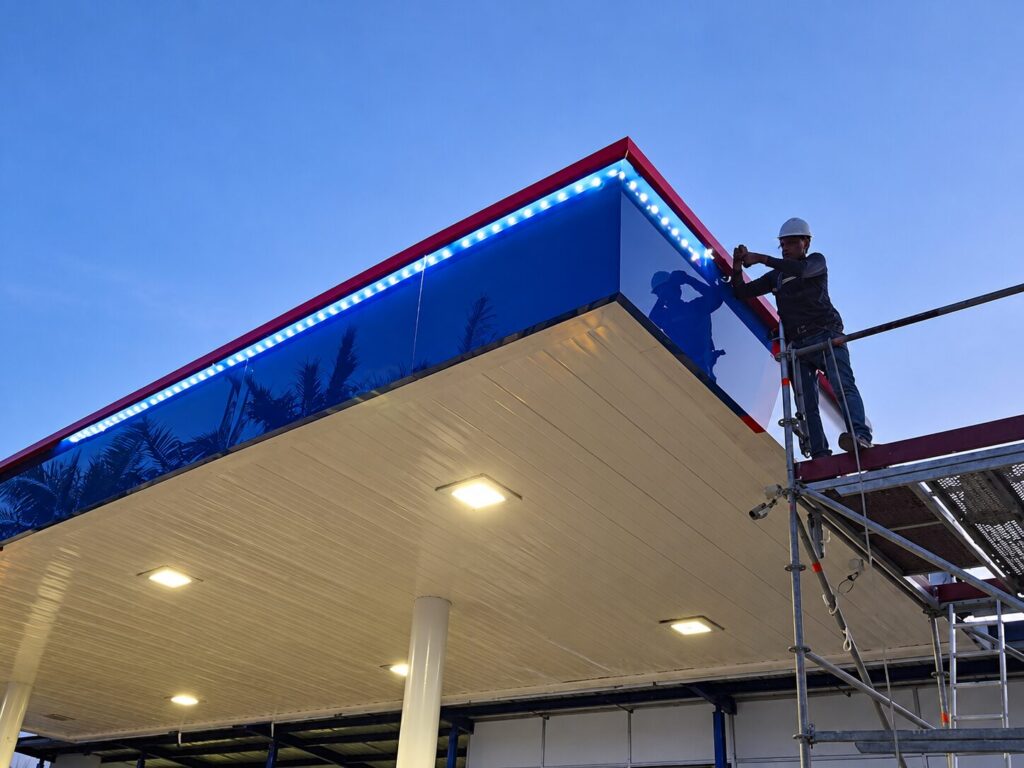
The term “canopy panels” can mean several different products. First, fascia panels form the visible band around the canopy edge. In contrast, roof deck panels cover the top, while soffit panels finish the underside. The steel frame sits behind these parts and carries the load.
Grandview focuses on the branding layer. This scope can include fascia or cladding panels, corner sections, trims, lit logos and related lighting parts in the approved design. Meanwhile, structural steel, roofing and site engineering need separate project scopes.
This difference matters when you compare offers. For example, two quotes may both say “canopy panels” but cover very different products.
Match the Panel Approach to the Project
| Project condition | Panel approach | Main interface | Local team checks |
|---|---|---|---|
| New build | Follow the approved canopy elevations | Frame, corners and logo layout | Fixing zones and final structure |
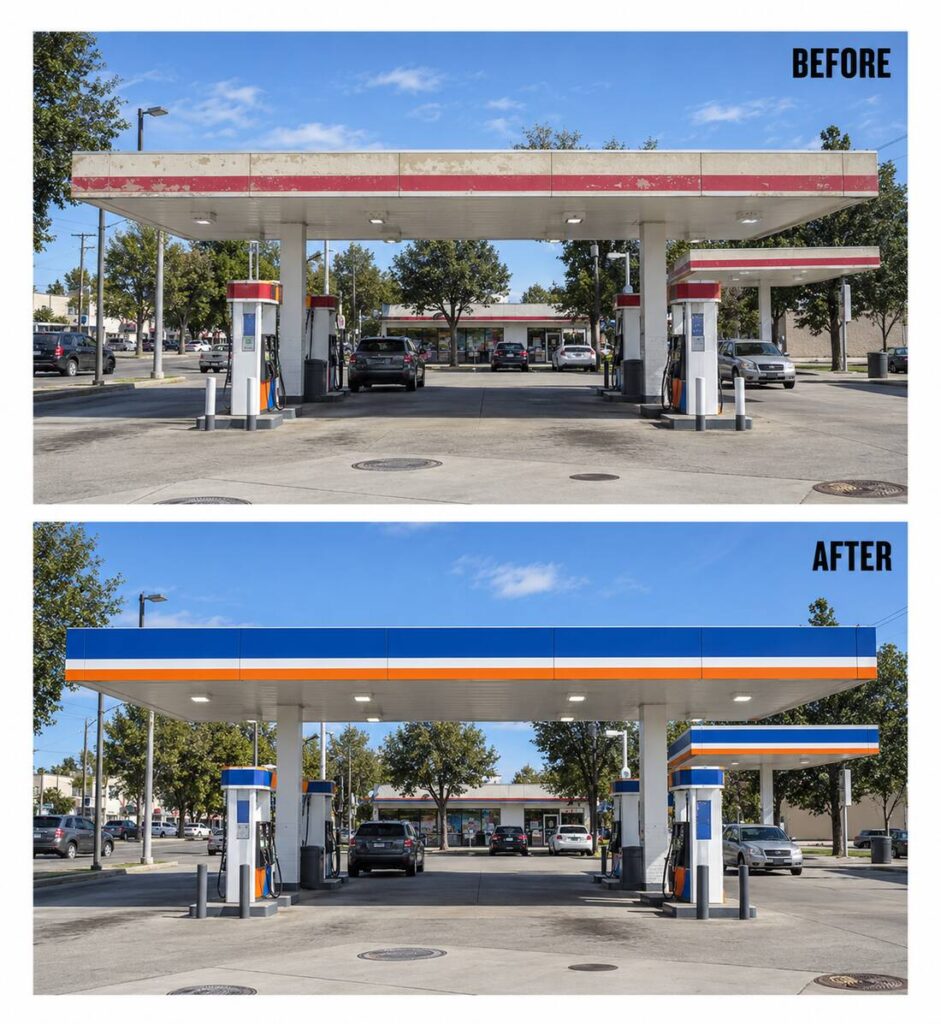
| Rebranding | Fit the new fascia to the canopy that stays | Existing supports, returns and wiring | Current canopy condition |
| Panel replacement | Match or revise the affected sections | Nearby panels, trims and finishes | Cause and scale of damage |
For a new build, designers can plan the panels with the canopy drawings. By contrast, a retrofit must adapt to the parts that stay on site.
Sometimes installers can place new panels over sound old fascia. However, no one should assume that every canopy allows an overlay. Loose panels, weak supports, rust, repeat leaks or frame damage need a local inspection first. New cladding can improve the appearance, but it cannot fix a roof or frame problem behind it.
Panel Layout Shapes the Final Result
The total canopy length alone cannot guide production. Instead, the layout must account for each side, corner, return, fixing area and visible joint.
The project team should plan panel breaks with the branding. For example, a joint through a logo can weaken the visual result. Likewise, a light band that moves at each panel break will look uneven at night. Poor corner planning may also force installers to cut finished parts on site.
Use this order:
Canopy elevations → panel breaks → corners and returns → logo position → lighting path → assembly order.
As a result, the factory and installer can work from the same clear layout. An elevation drawing and section labels also make each part easier to identify.
Choose Materials, Finish and Lighting Together
Common fascia choices include aluminum composite material and fabricated metal panels. However, no single material fits every project. Instead, compare the shape, finish, brand color, corner style, lighting and mounting conditions.
Lit logos and edge lighting also change the panel design. Therefore, the team should plan cable exits, mounting areas and service access before production. If the team adds these details later, they may clash with joints, supports or corner sections.
Separate Factory Review from Local Approval
Depending on the confirmed scope, the factory can develop the layout, make the panels, add lighting parts, inspect the work, label sections and prepare the shipment.
Meanwhile, the local team must verify site measurements, frame condition, wind needs, permits, fixing methods, wiring and installation. The 2024 International Building Code sets specific rules for canopies above fuel dispensing areas. However, local codes and local professionals decide which rules apply to each site.
FAQ
Are gas station canopy panels the same as roof panels?
No. Here, the product focus is the visible fascia and branding panels around the canopy edge. Roof deck and soffit panels are different parts. Therefore, the project scope should list them separately.
Can installers fit new canopy panels over existing fascia?
Sometimes. First, check the old face, its supports, the corner shape and the needs of the new system. A local professional should review any frame, roof or safety concern before the installer adds an overlay.
Conclusion
The right gas station canopy panels must fit the actual canopy, not just the color plan. For a new fascia or rebranding project, Grandview can review the panel scope and develop a project-specific manufacturing plan.
References / Further Reading