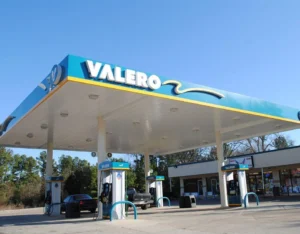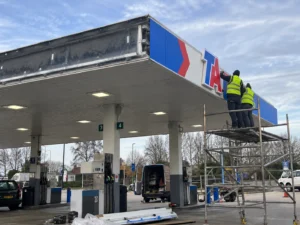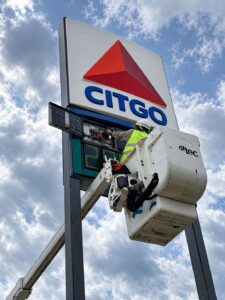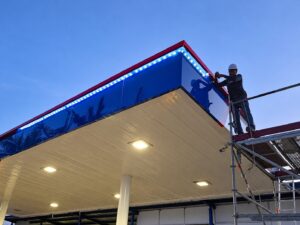
A gas station can have a tall illuminated sign and still be difficult to recognize from the road. The brand may be visible only after a driver has passed the entrance. Fuel prices may be crowded beneath an oversized logo, or canopy graphics may look clear from the forecourt but disappear behind roadside trees.
For signs for gas station projects, visibility is not simply a question of height or brightness. It depends on what drivers need to identify, where they approach from, and how much information each sign carries.
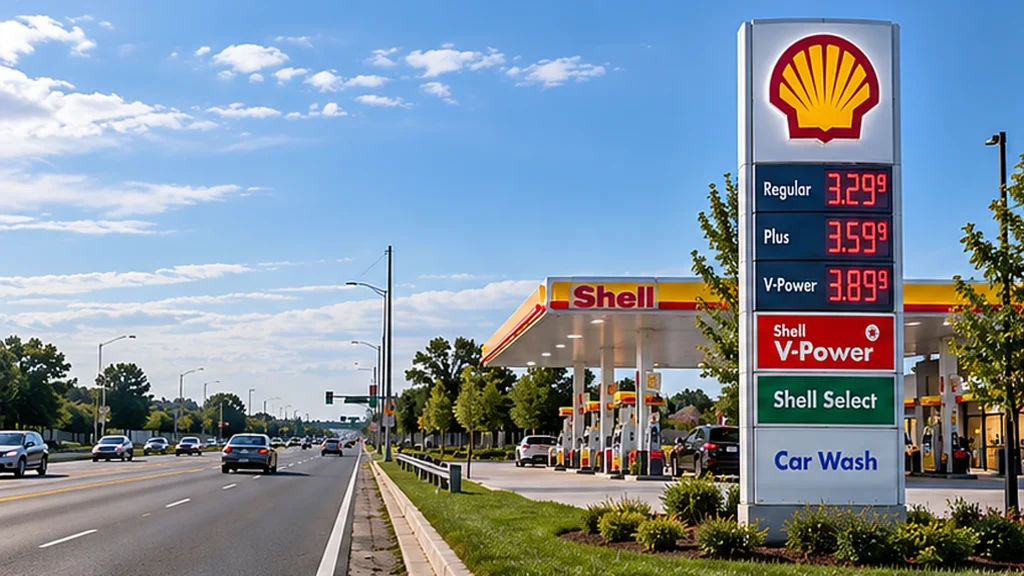
Start With the View From the Road
A sign that looks balanced in a factory drawing may work differently on site. Traffic approach, changes in ground level, nearby buildings, planted trees and the position of the entrance can all affect what a driver sees.
Review the site from the intended approach directions before finalizing a pylon or monument layout. Identify the first point where the station can be seen, whether fuel prices are legible where a driver needs them, and whether the entrance is obvious.
A bigger cabinet is not always the answer. Moving information higher within an existing sign face, simplifying the layout or improving the placement may address the real problem—subject to the site’s structural and approval constraints.
Give Each Sign One Clear Message
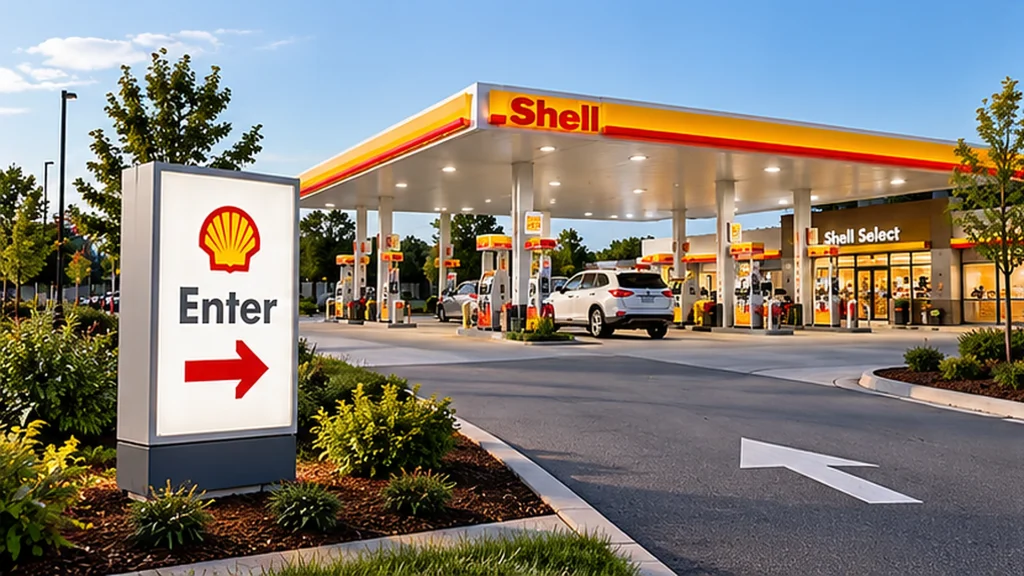
Drivers read signage in stages. A roadside sign helps them recognize the station and its prices. Entrance signs confirm where to turn. Once inside, canopy and pump-level graphics help them identify the fueling area and services.
| Where the driver is | Message that matters | Common visibility problem |
|---|---|---|
| Approaching on the road | Brand and fuel prices | Cluttered layout or blocked view |
| Turning into the site | Entrance direction | Sign visible too late |
| Moving through the forecourt | Pump and service identification | Inconsistent graphics |
| Looking for the store | Store entrance and identity | Sign hidden by the canopy |
This is a way to review communication, not a requirement to install four separate signs. Some messages can share a structure; others need their own location.
Check Price Readability Separately From Branding
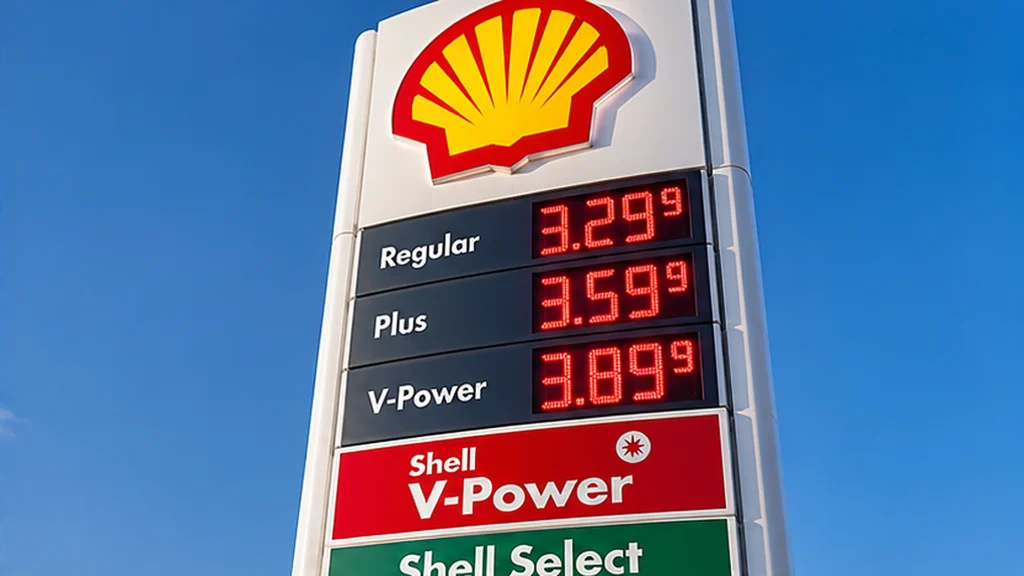
A pylon may carry both the station logo and an LED price display, but the two do different jobs. The logo needs to be recognizable. Prices need clear labels, digit arrangement and contrast against the sign face.
Consider what happens when several fuels are displayed together. If product labels and figures are crowded, increasing LED brightness alone does not fix the information hierarchy. For an existing cabinet, any change to display modules also requires a review of physical fit and compatible power and control components.
Grandview’s BF Petroleum gas station pylon project shows branding and LED fuel prices combined in one roadside sign. The exact arrangement for another site should still respond to its own viewing conditions.
Review Daytime, Nighttime and Existing Structures
A sign face that reads well in daylight may be harder to interpret against surrounding lights at night. Review actual site photographs under both conditions where possible, rather than judging appearance only from artwork or a product photograph.
For an upgrade, inspect whether the existing cabinet and sign face can support the proposed change. This is different from assuming the existing pole, foundation or wiring is suitable. The supplier can review agreed fabrication and component interfaces; a qualified local team must assess structural, electrical and installation requirements.
Local rules can also affect what may be installed. The City of San Diego’s sign permit guidance is one example of why permits and site-specific requirements must be checked with the relevant authority.
FAQ
Will a taller gas station sign always be easier to see?
No. Sightlines, obstructions, information layout and local sign restrictions can matter as much as height.
Can an existing price sign be improved without replacing the entire pylon?
Sometimes. Sign faces or display components may be suitable for replacement, but cabinet compatibility and local structural and electrical conditions need checking.
The best sign plan begins with what drivers can actually see. Grandview’s gas station signage system shows how roadside and forecourt components can be coordinated for a specific project.