When planning a new fuel station or upgrading an existing site, the canopy is often a major visible investment. Beyond providing weather protection, a well-designed gas station canopy supports branding, lighting systems, customer experience, and long-term operational efficiency.
However, many station owners underestimate how many factors influence gas station canopy construction cost. Material selection, structural engineering, local regulations, branding requirements, and installation conditions can significantly affect the final budget.
This guide explains the main cost factors. It covers construction details. It also shares practical tips fuel station owners should know before starting a canopy project.
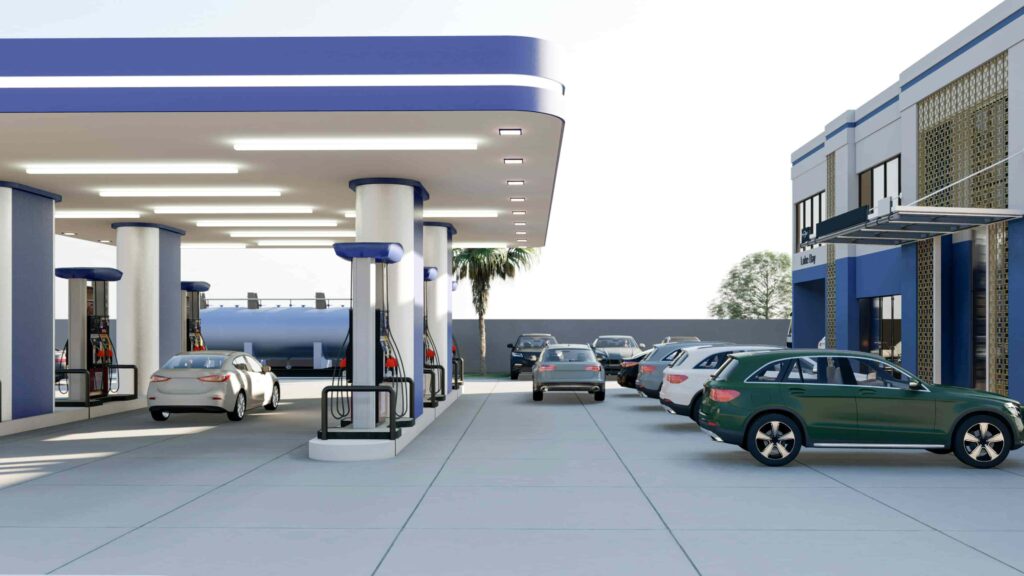
Understanding Gas Station Canopy Construction
A gas station canopy is more than a roof covering fuel dispensers. Engineers design a structural system to withstand environmental loads. It supports lighting, fascia panels, electrical systems, and corporate branding elements.
A typical canopy includes:
- Structural steel framework
- Roof decking and waterproofing systems
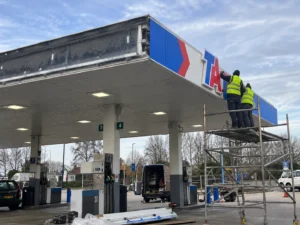
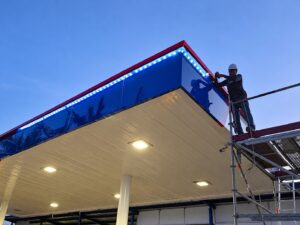
- Aluminum composite fascia cladding
- LED lighting systems
- Electrical wiring and conduit systems
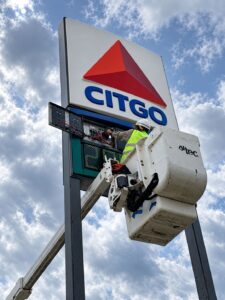
- Brand logos and illuminated signage
For major fuel brands, the canopy often becomes the most recognizable visual element of the station.
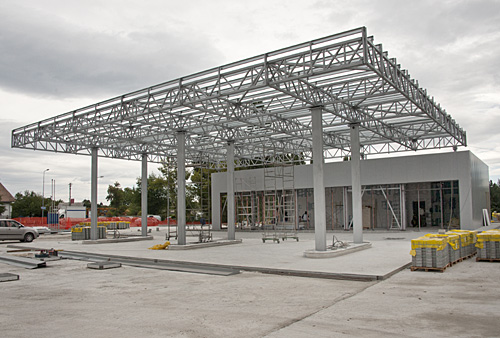
What Affects Gas Station Canopy Construction Cost?
Structural Design Requirements
The structural frame typically represents a significant portion of the project budget.
Key factors include:
- Canopy size and footprint
- Height clearance requirements
- Wind load calculations
- Seismic design requirements
- Local building codes
Stations in hurricane-prone or high-wind areas usually need heavier steel structures. This raises both fabrication and installation costs.
Material Selection
Material quality directly impacts durability and maintenance expenses.
Common materials include:
ComponentCommon MaterialStructural FrameGalvanized SteelFascia PanelsAluminum Composite Panel (ACP)Roof SystemMetal DeckingTrim ComponentsPowder-Coated Aluminum
From a long-term ownership view, corrosion-resistant materials often give a better return on investment.
They can cost more at first.
Canopy Branding Integration
Modern fuel stations rarely install a canopy without branding.
Additional costs may include:
- Illuminated fascia systems
- LED logo signs
- Corporate color cladding
- Custom channel letters
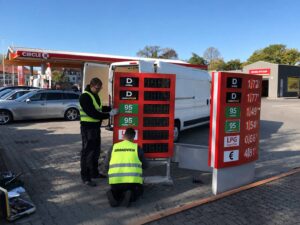
- Digital fuel pricing displays
For branded stations, signage integration is often planned during the canopy design stage rather than after construction.
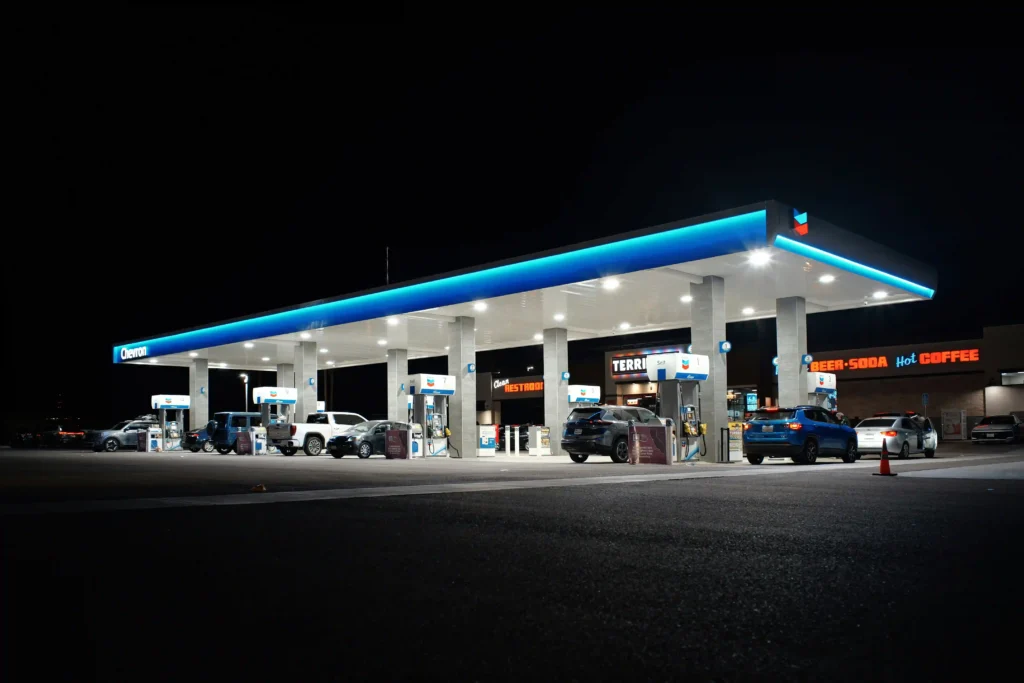
Gas Station Canopy Construction Details That Influence Budget
Foundation Engineering
Foundation requirements vary depending on soil conditions and canopy size.
Poor soil conditions may require:
- Deeper footings
- Additional reinforcement
- Soil stabilization work
These hidden construction costs are often discovered after site surveys.
Electrical and Lighting Systems
Today’s fuel stations rely heavily on LED lighting for visibility and safety.
Typical systems include:
- Canopy under-deck LED lighting
- Emergency lighting
- Accent branding illumination
- Signage power distribution
Although LED systems require higher initial investment, they significantly reduce maintenance and energy costs over time.
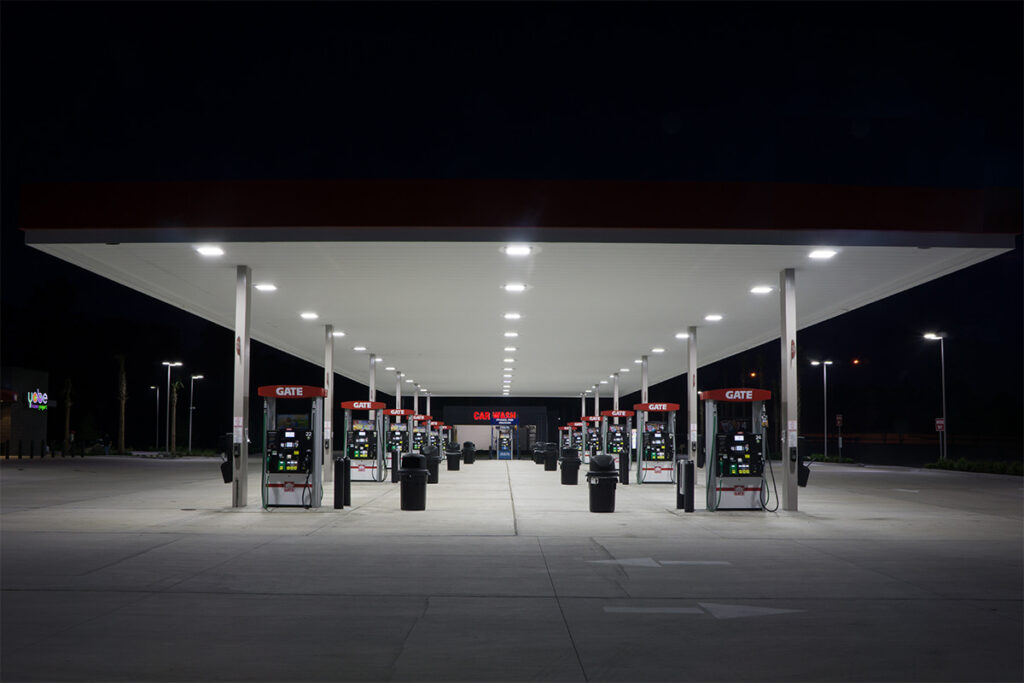
Installation Complexity
Installation expenses depend heavily on site conditions.
Factors that increase costs include:
- Limited crane access
- Urban construction environments
- Existing station renovation projects
- Tight project timelines
Retrofit projects generally cost more than new-build installations because existing infrastructure must be protected during construction.
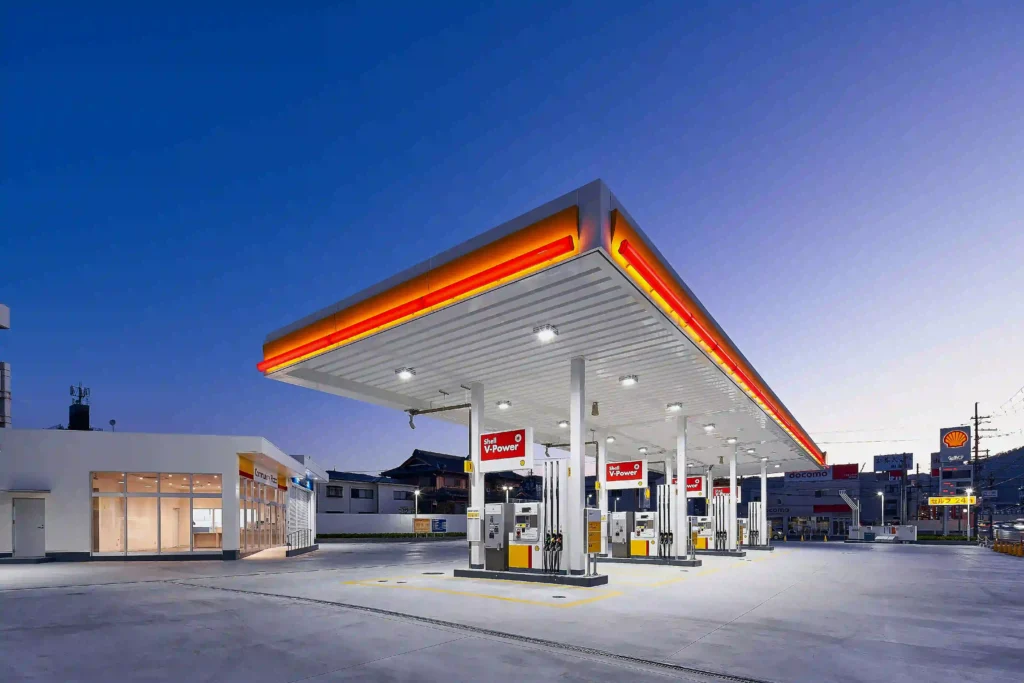
Industry Example: Branding-Driven Canopy Projects
In recent years, fuel retailers have increasingly treated canopies as branding assets rather than purely structural components.
For example, a regional fuel chain upgrading multiple locations may invest in:
- New fascia cladding systems
- Illuminated brand logos
- Consistent canopy lighting
- Integrated LED gas price signs
While the upfront cost is higher, you get a stronger brand presence and better roadside visibility, especially at night.
For many fuel retailers, improved visibility contributes directly to increased forecourt traffic and brand recognition.
Procurement Tips for Fuel Station Owners
When evaluating canopy suppliers, focusing only on the lowest quotation can create long-term issues.
Consider the following:
Verify Engineering Capability
Look for suppliers that provide:
- Structural drawings
- Load calculations
- Fabrication documentation
Evaluate Manufacturing Experience
Manufacturers with fuel station project experience understand:
Many fuel retailers prefer working with suppliers that can provide complete fuel station branding solutions rather than managing multiple vendors separately.
- Branding standards
- Signage integration
- Construction sequencing
Consider Total Project Cost
The lowest canopy price may not represent the lowest ownership cost.
Evaluate:
- Material lifespan
- Maintenance requirements
- Energy efficiency
- Future branding upgrades
A canopy designed for long-term durability often delivers greater value than a lower-cost alternative.
Emerging Trends in Gas Station Canopy Construction
Several trends are shaping modern canopy projects:
Energy-Efficient Lighting
LED technology continues to reduce operational costs while improving station visibility.
Integrated Digital Branding
Fuel stations increasingly combine canopy fascia systems with digital signage and price displays.
Modular Fabrication
Prefabricated canopy systems help reduce installation time and improve construction quality.
Premium Architectural Finishes
Many retailers are investing in higher-end fascia materials to differentiate their locations from competitors.
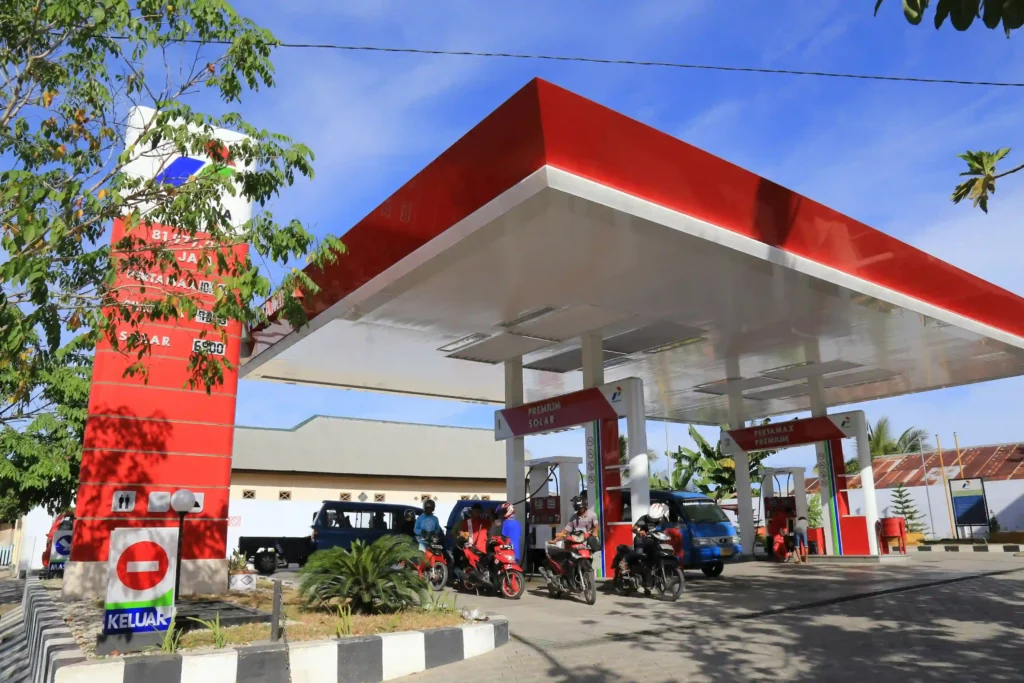
These trends reflect a broader shift toward treating the canopy as a key branding and customer experience asset.
Conclusion
Gas station canopy construction cost depends on far more than steel and roofing materials. Structural engineering, branding integration, lighting systems, installation conditions, and long-term maintenance considerations all contribute to the final investment.
For fuel station owners, the most successful projects balance construction quality, brand visibility, operational efficiency, and future scalability.
A well-designed canopy protects customers and equipment. It also becomes one of the fuel station’s strongest visual assets.
Planning a new fuel station or upgrading your existing canopy system?
Grandview Sign Factory offers full fuel station branding solutions. These include canopy fascia systems, LED gas price signs, pylon signs, and custom lit signs. We build each sign for long-term outdoor use.
Contact our team to discuss your project requirements and receive professional recommendations tailored to your station design.
FAQ
How much does gas station canopy construction cost?
Costs vary depending on canopy size, structural requirements, materials, branding elements, and installation conditions. Larger branded stations typically require higher investments because of integrated signage and lighting systems.
Which materials do builders commonly use in gas station canopies?
Most modern canopies use galvanized steel structures, aluminum composite fascia panels, metal roof decking, and LED lighting systems.
Can gas station canopies include LED signage?
Yes. Many fuel stations add lit logos, channel letters, canopy fascia signs, and LED price displays to the canopy design.
How long does a gas station canopy last?
With proper maintenance and corrosion-resistant materials, a professionally engineered canopy can remain operational for several decades.
Why is branding integration important in canopy construction?
The canopy is often the most visible element of a fuel station. Integrated branding improves visibility, strengthens brand recognition, and enhances customer perception.