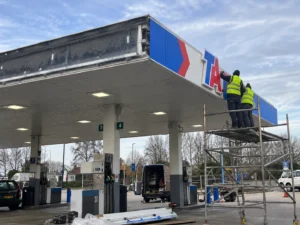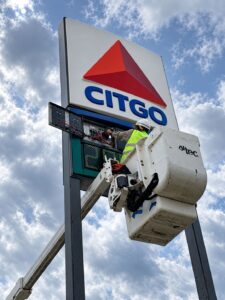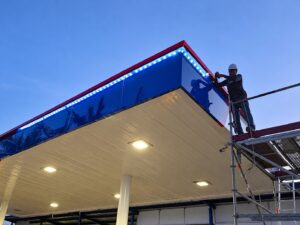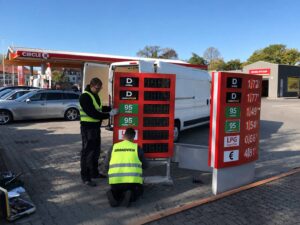
Modern fuel stations are no longer using manual number boards or outdated fluorescent displays to show fuel prices. Today, digital price displays are now the industry standard. They are brighter, easier to manage, and more efficient for daily operations.
If you plan to upgrade a fuel station, build a new site, or buy signage for a chain, you should know how these systems work.
This guide explains what these electronic displays are. It explains how they build and install them. It also explains what matters most when choosing the right solution for your station.
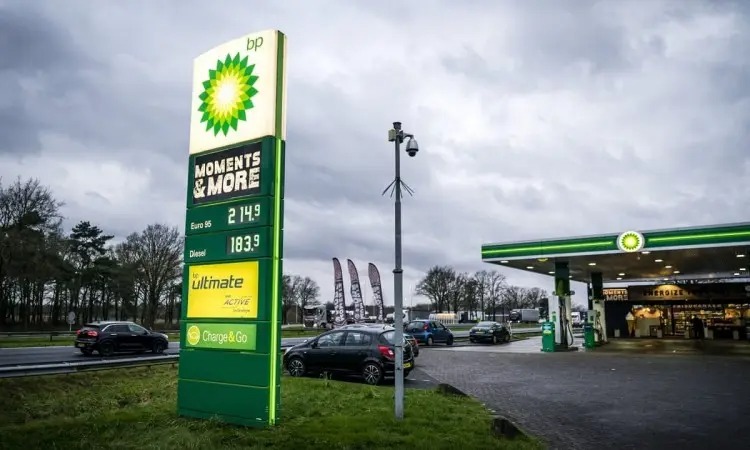
1. What Is an LED Gas Price Sign?
An LED gas price sign is an electronic display system designed to show fuel prices outside a service station. Instead of manually replacing plastic numbers, operators can update prices digitally through a control system.
These displays are usually mounted on:
- Pole signs
- Canopy structures
- Monument signs
- Fuel station entrances
- Roadside branding pylons
The main purpose is simple: help drivers clearly see fuel prices from a distance, both during the day and at night.
What makes modern digital displays different is visibility and operational efficiency. High-brightness LEDs remain readable under direct sunlight, while remote control systems allow staff to update prices within seconds.
For stations with frequent fuel price changes, this removes the need for manual labor and reduces operational mistakes.
Why Fuel Stations Prefer Digital Displays
Traditional number boards require staff to physically replace price digits every time prices change. This process is slow and can become difficult during bad weather or high-traffic periods.
Electronic displays solve this problem by allowing instant updates through:
- Wireless controllers
- Mobile apps
- Cloud-based systems
- Centralized management software
For multi-locati0n fuel brands, centralized management is especially valuable because all stations can update pricing simultaneously.
This improves brand consistency and reduces human error.
Visibility Is One of the Biggest Advantages
Roadside visibility directly affects whether drivers notice a station while passing by.
Modern LED systems are designed for long-distance readability using:
- High-luminance LED modules
- Large numeric characters
- Wide viewing angles
- Automatic brightness adjustment
A clear and bright display can improve station visibility during:
- Night driving
- Rainy conditions
- Foggy weather
- High-speed traffic environments
For stations located near highways or busy intersections, visibility becomes part of the customer acquisition strategy.
2. Technical Specifications and Components of LED Gas Price Signs
Many buyers focus only on appearance, but long-term reliability depends on internal structure and technical quality.
Understanding the core components helps prevent costly maintenance issues later.
LED Modules
The LED module is the heart of the display system.
It contains multiple light-emitting diodes arranged to form digital numbers. The quality of these modules determines:
- Brightness
- Energy efficiency
- Lifespan
- Color consistency
- Viewing performance
Outdoor fuel displays typically use high-brightness LEDs because they must remain visible under strong sunlight.
Poor-quality modules often fade unevenly over time, causing inconsistent brightness across digits.
Cabinet Structure
The cabinet protects the internal electronic system from environmental damage.
Most commercial-grade units use:
- Aluminum
- Galvanized steel
- Powder-coated metal
A well-designed enclosure protects against:
- Rain
- Dust
- UV exposure
- Corrosion
- Heat buildup
For outdoor installations, waterproof protection is critical. Buyers should pay attention to IP ratings because they indicate resistance to water and dust.
For example:
- IP65 is commonly used for outdoor signage
- Higher ratings provide stronger environmental protection
Control Systems
Control systems determine how prices are updated.
Different stations require different management methods depending on project size.
Common options include:
RF Remote Control
Suitable for small and medium stations.
Simple and cost-effective.
WiFi or Ethernet Control
Allows updates through local networks.
Useful for stations with office integration.
Cloud-Based Management
Ideal for chain stations managing multiple locations.
Operators can update prices remotely from a central office.
This becomes especially useful when fuel prices change frequently across regions.
Brightness Levels
Brightness is measured in nits.
For outdoor roadside visibility, insufficient brightness becomes a serious problem during daytime.
Commercial outdoor systems usually require high-luminance output to maintain readability under direct sunlight.
Some advanced systems also have automatic dimming sensors that lower brightness at night. This saves energy and improves visual comfort.
Power Supply and Energy Consumption
Although digital signage operates continuously, LED technology is relatively energy efficient.
Compared with older fluorescent or neon systems, modern LED displays consume less power while producing higher brightness.
Stable power supplies are essential because voltage fluctuations can shorten component lifespan.
Industrial-grade power systems improve long-term reliability and reduce maintenance frequency.
3. Installation Process for LED Gas Price Signs
Proper installation affects both safety and long-term performance.
Even high-quality equipment can fail prematurely if installed incorrectly.
Site Evaluation Comes First
Before installation begins, technicians usually evaluate:
- Viewing distance
- Traffic direction
- Pole structure strength
- Wind exposure
- Power access
- Local electrical regulations
The goal is to ensure maximum visibility while maintaining structural safety.
For roadside pylons, placement angle and display height significantly affect readability for passing drivers.
Structural Mounting
Installation methods depend on the sign type.
Common mounting options include:
- Pole-mounted structures
- Wall-mounted cabinets
- Canopy integrations
- Monument sign integration
Larger displays require reinforced support structures because outdoor signs experience wind pressure continuously.
Professional engineering calculations are important for long-term safety.
Electrical Wiring
Power wiring and communication wiring must be protected properly.
Installers typically use:
- Waterproof conduits
- Surge protection systems
- Grounding systems
- Outdoor-rated cables
Poor electrical installation is one of the most common causes of display failure.
Water intrusion and unstable voltage can damage LED modules and control boards over time.
System Testing
After installation, technicians perform several tests:
- Brightness calibration
- Digit synchronization
- Remote control testing
- Communication stability checks
- Waterproof inspection
This stage helps identify hidden issues before the display enters daily operation.
4. Comparison With Traditional Price Signs
Many independent stations still use manual price boards because of lower upfront cost. However, long-term operational efficiency often favors digital systems.
Manual Boards Require More Labor
Traditional systems require employees to physically replace numbers whenever fuel prices change.
This process becomes inefficient when:
- Prices change frequently
- Weather conditions are poor
- Stations operate 24/7
- Staff availability is limited
Electronic systems reduce this workload significantly.
Digital Displays Improve Brand Image
Modern fuel stations compete not only on price but also on appearance and customer experience.
Bright digital signage creates a cleaner and more professional visual identity.
For chain brands, consistency across multiple locations helps strengthen brand recognition.
Outdated signage can make a station appear less modern, even if service quality is good.
Better Night Visibility
Older static boards often rely on external lighting, which creates uneven illumination.
LED displays generate their own light source, providing clearer visibility at night.
This improves roadside attention and helps stations remain visible from longer distances.
Lower Long-Term Maintenance
Manual boards may appear simple, but physical number replacements eventually wear out.
Digital systems eliminate moving parts associated with manual updates.
High-quality LED modules can operate for many years with minimal maintenance when properly installed.
5. Frequently Asked Questions
How long does an LED gas price sign last?
Commercial-grade systems typically operate for many years depending on component quality, environmental conditions, and maintenance practices.
Higher-quality LED modules and power supplies usually provide longer service life.
Are these displays waterproof?
Designers include weather-resistant protection in most outdoor systems.
Buyers should always check the IP rating and confirm that the product suits outdoor commercial use.
Can someone update fuel prices remotely?
Yes. Modern systems commonly support:
- Wireless remote control
- Mobile applications
- Ethernet control
- Cloud-based management
The available method depends on the control system selected.
Do LED displays consume a lot of electricity?
Compared with older lighting technologies, LED systems are relatively energy efficient.
Actual consumption depends on:
- Display size
- Brightness level
- Operating hours
- Environmental conditions
What should buyers focus on before purchasing?
Many buyers focus mainly on price, but long-term reliability matters more.
Important factors include:
- Brightness performance
- Waterproof protection
- LED chip quality
- Power supply stability
- Control system reliability
- Structural durability
- After-sales support
Working with an experienced manufacturer can reduce future maintenance issues and improve overall project quality.
Final Thoughts
Digital fuel price displays have become an essential part of modern station infrastructure. Beyond simply showing numbers, they improve operational efficiency, roadside visibility, and overall brand presentation.
For buyers, choosing the right system is not only about appearance. The internal components, control technology, waterproof protection, and installation quality all affect long-term performance.
A well-designed display system can work reliably for years. It also helps stations keep a professional, modern image in a competitive market.
Sources & Industry References
To improve technical accuracy and provide reliable industry information, this guide references publicly available resources and standards from organizations including:
- U.S. Department of Energy (DOE)
- International Electrotechnical Commission (IEC)
- ENERGY STAR
- Federal Highway Administration
- Occupational Safety and Health Administration (OSHA)
- International Sign Association
These organizations provide guidance related to LED efficiency, IP protection standards, outdoor electrical safety, and commercial signage systems.