What Is a Fuel Island?
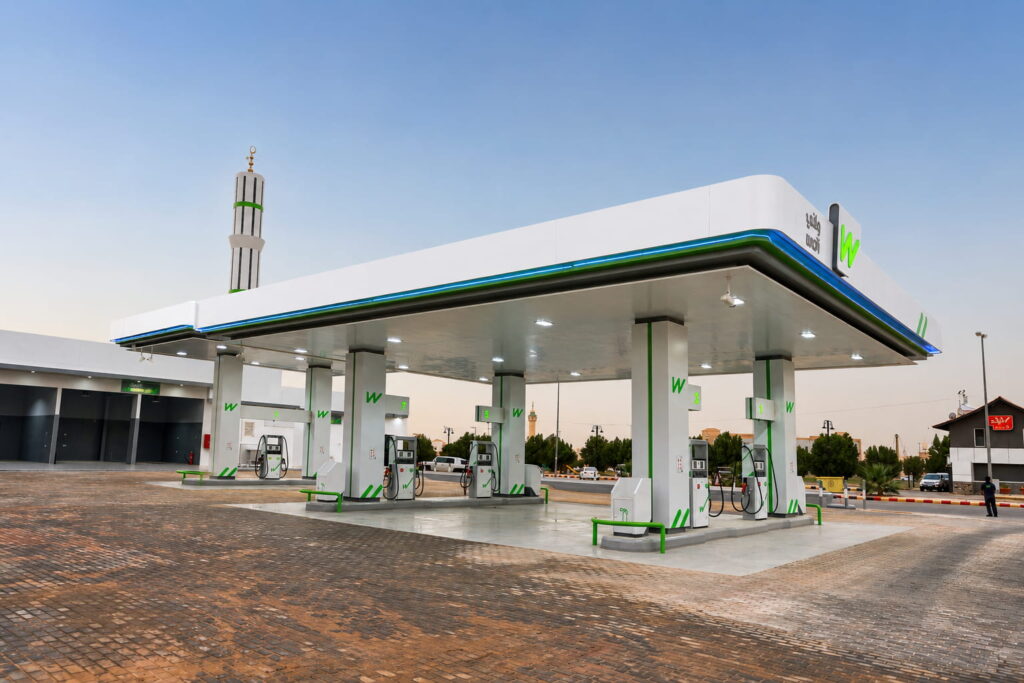
A fuel island is the main fueling area at a gas station. It has fuel dispensers, canopies, lights, safety gear, and branding. It serves as the station’s operations hub and directly affects customer experience, traffic flow, safety, and brand visibility.
In modern fuel stations, the fuel island is no longer just a place to dispense fuel. It has become an integrated system combining engineering, architecture, signage, and brand presentation.
For station owners, contractors, and petroleum brands, a well-designed fuel island can boost efficiency. It can also enhance the site’s overall appearance.
Main Components of a Modern Fuel Island
A typical fuel island consists of several key elements:
- Fuel dispensers
- Fuel island canopy
- Structural support columns
- LED canopy lighting
- Pump number signs
- Safety bollards
- Drainage systems
- Electrical conduits
- Branding and signage systems
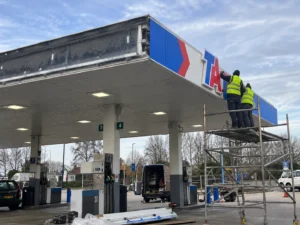
Among these parts, the fuel island canopy is often the most visible and costly investment. It supports lighting, weather protection, and corporate branding.
Why Is a Fuel Island Canopy Important?
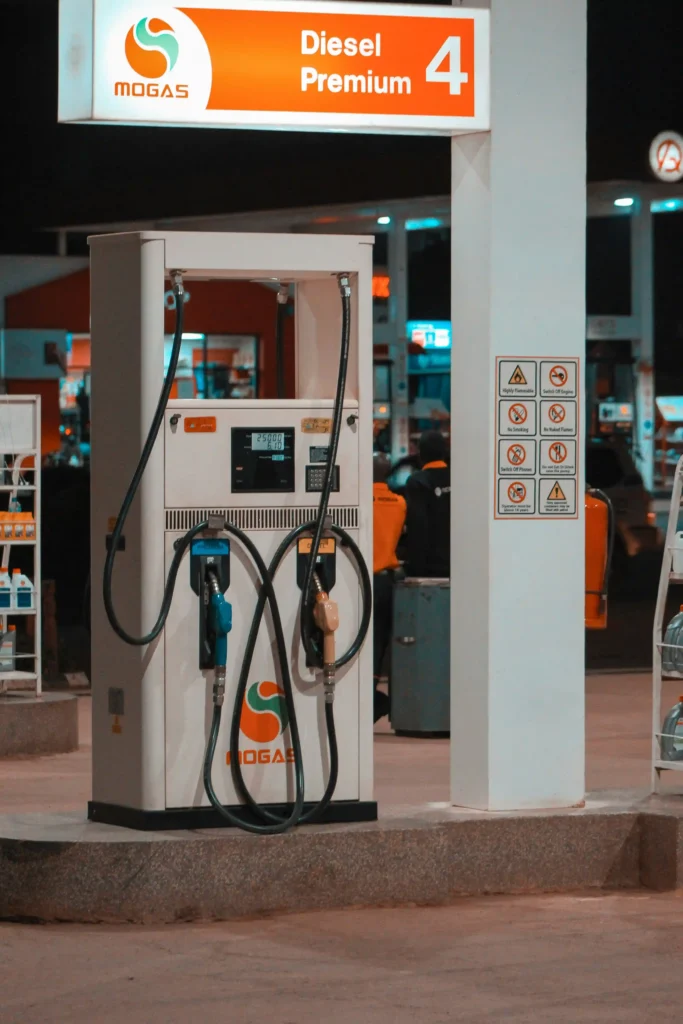
A fuel island canopy is the overhead structure installed above fueling dispensers.
Its primary functions include:
Weather Protection
Customers can refuel comfortably during rain, snow, or intense sunlight.
Enhanced Safety
Integrated LED lighting improves visibility during nighttime operations and helps reduce accident risks.
Brand Visibility
For major fuel brands, the canopy fascia often displays logos, colors, and corporate identity standards. In many stations, the canopy becomes the most recognizable visual element on the property.
Equipment Protection
Canopies help reduce long-term exposure of fuel dispensers and electronic systems to harsh weather conditions.fuel island canopy
Materials Used in Fuel Island Canopies
Material selection has a significant impact on structural performance, maintenance requirements, and project costs.
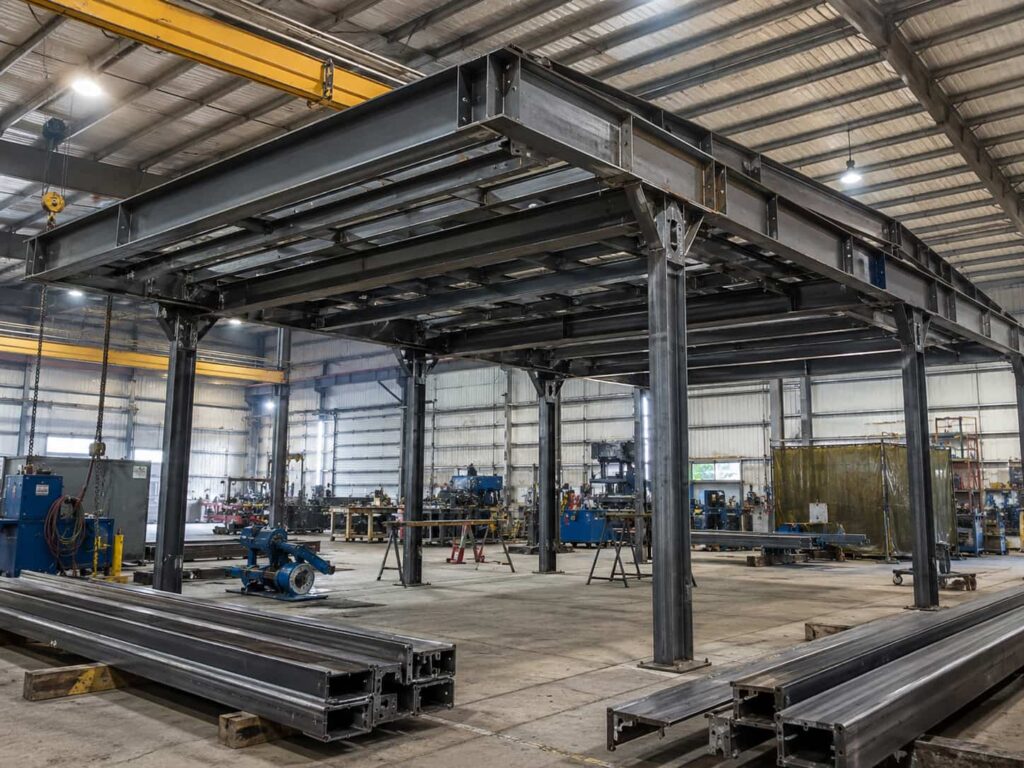
Structural Steel Framework
Most commercial fuel island canopies use galvanized or painted structural steel.
Benefits include:
- High load-bearing capacity
- Long service life
- Excellent wind resistance
- Suitable for large-span designs
The steel framework forms the backbone of the entire canopy system.
Aluminum Fascia Panels
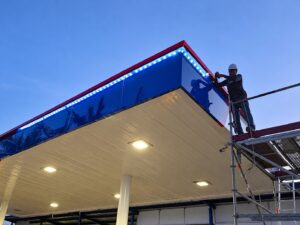
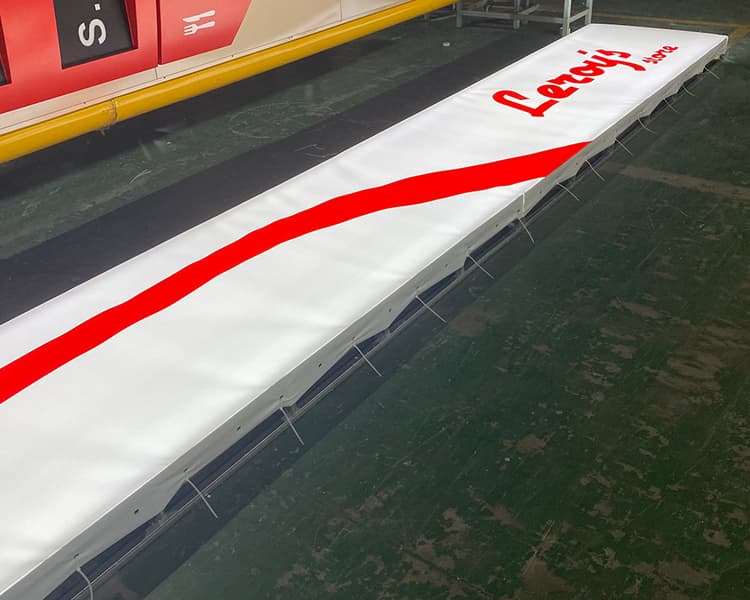
Aluminum cladding is commonly installed around the canopy perimeter.
Advantages include:
- Corrosion resistance
- Lightweight construction
- Easy customization
- Smooth branding surface
Many petroleum brands use aluminum fascia panels to achieve a clean, modern appearance.
LED Lighting Systems
Modern stations increasingly use LED canopy fixtures because they offer:
- Lower energy consumption
- Longer lifespan
- Reduced maintenance costs
- Improved lighting uniformity
Fuel Island Design Considerations
When designing a fuel island, functionality should always come before aesthetics.
Traffic Flow
Vehicle circulation must allow easy entry and exit while minimizing congestion during peak hours.
Clearance Height
Canopy height should accommodate various vehicle types, including trucks and commercial vehicles where applicable.
Drainage
Proper drainage systems prevent water accumulation and reduce long-term maintenance issues.
Future Expansion
Many station operators now design fuel islands for future upgrades. These may include digital signs, EV charging, and smart monitoring systems.
National Association of Convenience Stores (NACS)
Fuel Island Branding Solutions
Today’s fuel stations compete not only on fuel prices but also on customer experience and visual identity.
A complete branding package often includes:
- Fuel island canopy branding
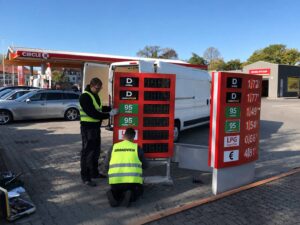
- LED gas price signs
- Pylon signs
- Illuminated logo signs
- Pump topper displays
- Directional signage
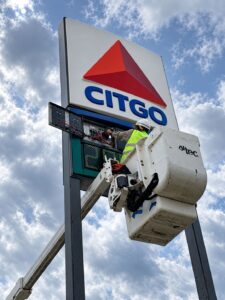
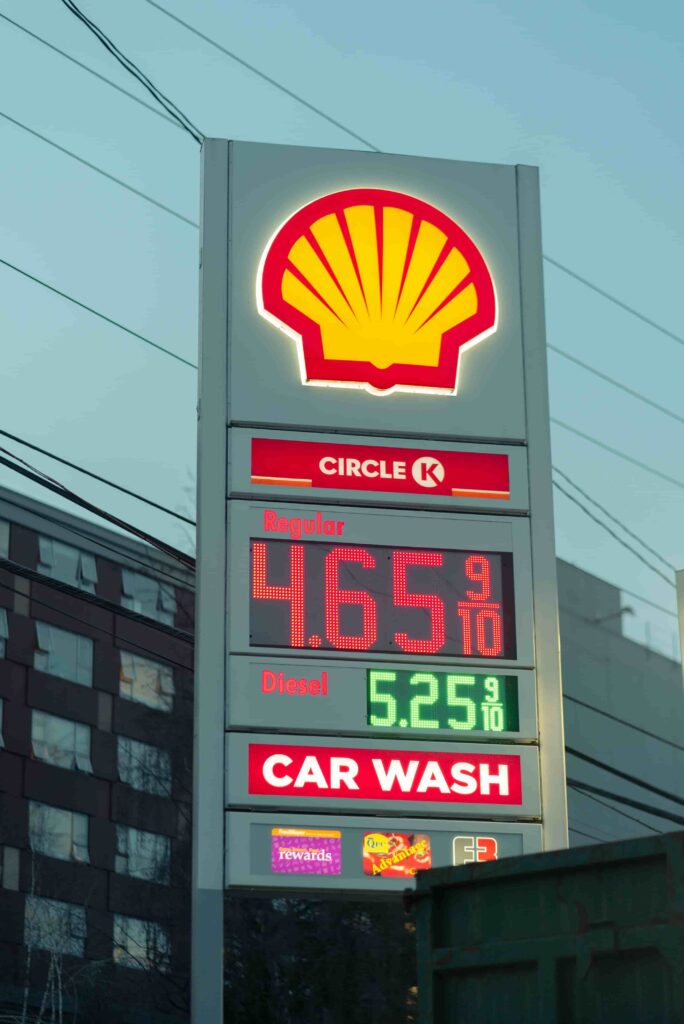
From a visibility standpoint, the fuel island canopy is often the most noticeable feature. The gas station pylon sign also usually stands out to passing traffic.
Installation and Engineering Considerations
Installing a fuel island canopy requires coordination among multiple disciplines, including civil engineering, structural engineering, electrical work, and signage integration.
Important factors include:
- Local building codes
- Wind load calculations
- Seismic requirements
- Foundation design
- Electrical routing
- Lighting placement
In large-scale projects, engineering drawings are typically reviewed before fabrication begins to ensure compliance and reduce installation risks.
Industry Example
One trend we have observed across international fuel station projects is the growing demand for integrated branding systems.
Kroozin gas station pylon sign project
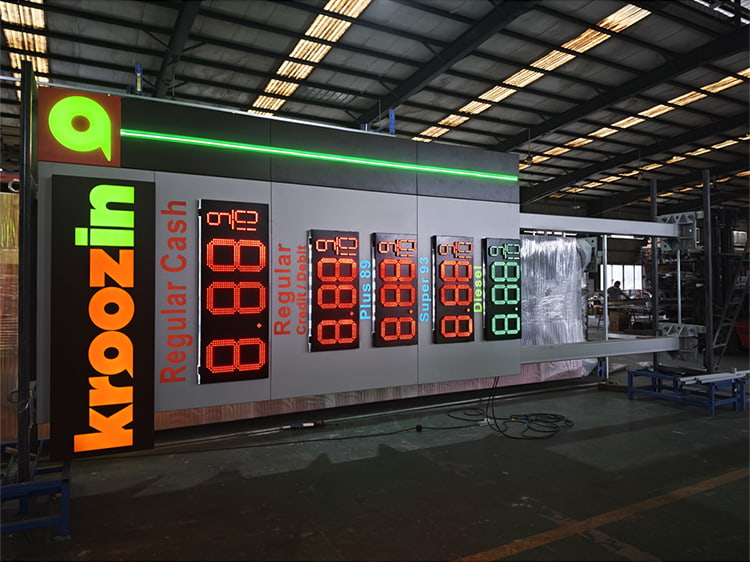
Many fuel retailers now prefer a single-source solution.
It avoids buying canopies, price signs, and branding items from different suppliers.
This keep design consistent, ensures good build quality, and improves installation coordination.
This approach often reduces project management complexity while helping maintain a unified brand image across multiple locations.
Future Trends in Fuel Island Design
Several industry trends are shaping the next generation of fuel islands:
- Smart LED lighting systems
- Digital fuel pricing displays
- Sustainable construction materials
- Solar-ready canopy structures
- EV charging integration
- Larger brand-focused canopy designs
As fuel stations evolve into mobility and convenience hubs, the fuel island will remain central to operations and branding.
Conclusion
A fuel island is far more than a collection of fuel dispensers. A carefully engineered system combines functionality, safety, durability, and brand presentation.
Whether you plan a new station or upgrade an existing site, invest in the right canopy, signage, and branding. This can improve customer experience and support long-term operational performance.
Recommended Articles:Gas Station Canopy Construction Cost Guide
Need Help With Fuel Station Branding?
Grandview Sign Factory specializes in fuel station branding solutions. We offer fuel island canopies, LED gas price signs, pylon signs, lit letters, and full signage systems.
Contact our team to discuss your project requirements and receive a customized solution.
FAQ
What is a fuel island?
A fuel island is an area in a gas station. It contains fuel pumps, payment terminals, safety equipment, and related infrastructure.
The main fueling area for vehicles. A fuel island canopy often covers it. This helps protect customers from bad weather and improves comfort.
What is the purpose of a fuel island canopy?
A fuel island canopy protects customers, fuel dispensers, and electronic equipment from rain, snow, and sunlight. It also supports lighting systems, branding elements, and signage. This makes it one of the most important features of a modern gas station.
What materials do builders commonly use in fuel island canopies?
Structural steel frameworks and aluminum fascia panels make up most fuel island canopies. Structural steel provides strength and durability. Aluminum offers corrosion resistance and a clean surface for branding and corporate identity.
How much does a fuel island canopy cost?
The cost of a fuel island canopy depends on the canopy size and structural design. It also depends on materials, local engineering rules, lighting systems, and branding features. Custom projects with integrated signage and lighting generally require a larger investment than standard canopy structures.
How long does a fuel island canopy last?
A professionally engineered fuel island canopy can typically last 20 to 30 years or more. Regular inspections, proper maintenance, and quality materials help extend service life.
They also reduce long-term operating costs.
Can a fuel island canopy support branding and signage?
Yes. Modern fuel island canopies are designed to support lit logos and fascia graphics. They also support LED lighting and other branding elements. Many fuel retailers use canopy branding as a key part of their overall station identity strategy.
What factors should designers consider when designing a fuel island?
Important design considerations include traffic flow, vehicle clearance, dispenser placement, lighting, drainage systems, safety compliance, and future expansion requirements. A well-planned fuel island improves both operational efficiency and customer experience.